NATURE. CLOSE, FAMILIAR, OURS.
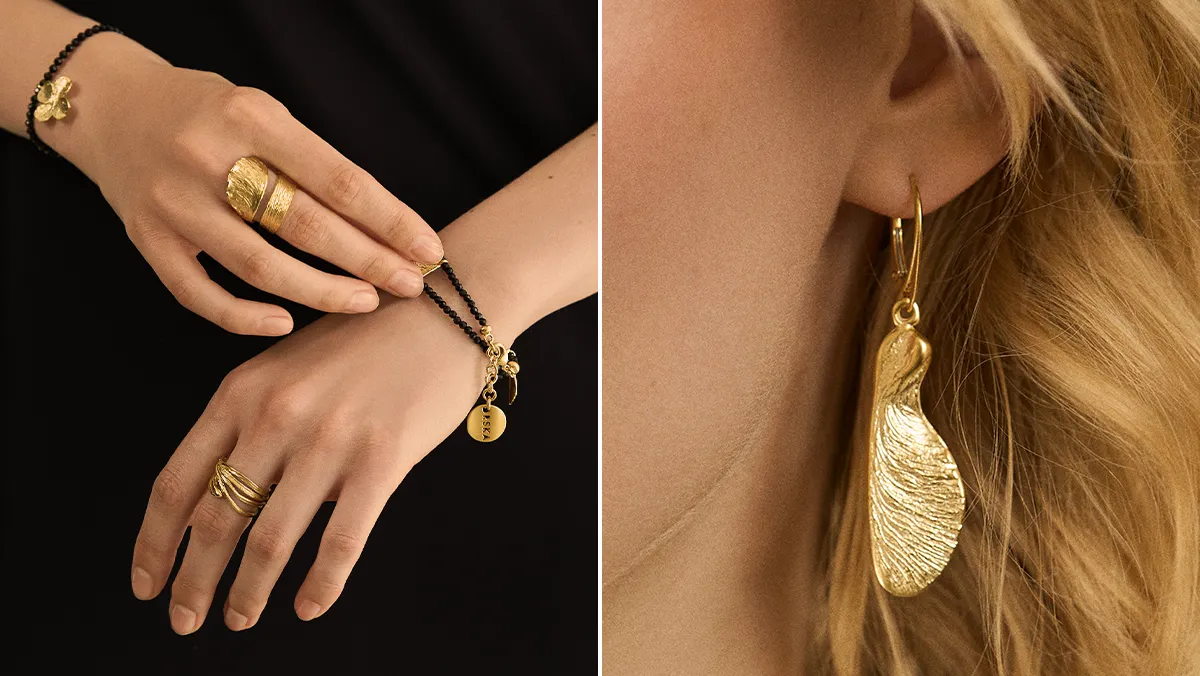
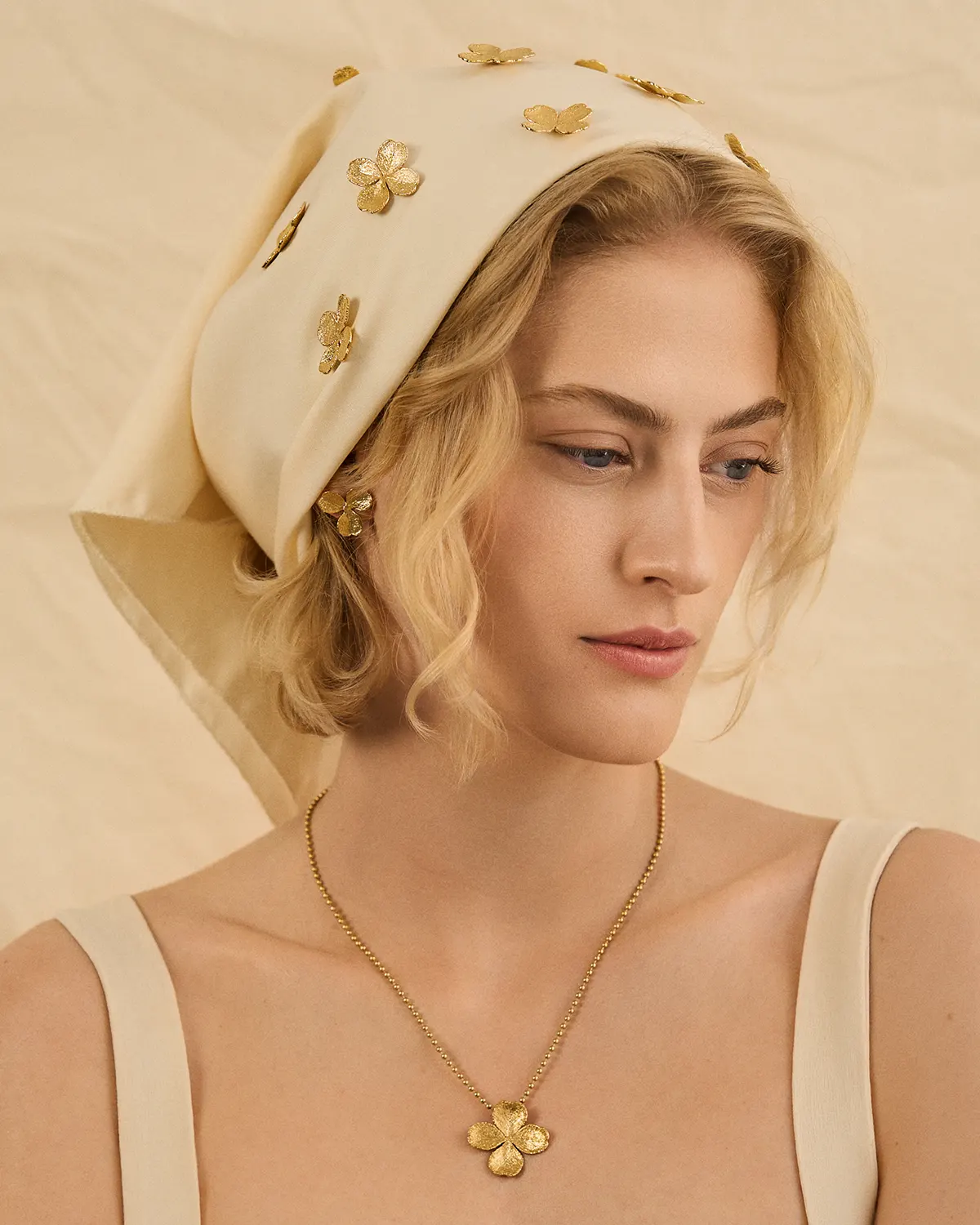
The Bery collection is a jeweller’s interpretation of a landscape that has been part of our everyday lives for generations. It draws inspiration from what feels close to home: wild meadows, country roadsides, and forests. Its strength lies in the details, meticulously recreated in the ORSKA atelier. The irregular textures and subtle asymmetries of hazelnuts, clover leaves, and maple samaras have been faithfully preserved in ORSKA’s botanical herbarium. As a result, each piece resembles a miniature sculpture, as if it had been gathered directly from nature and transformed into jewellery.
A JEWELLER’S HERBARIUM
For generations, herbariums have been a way of preserving what is fleeting—capturing the beauty that would otherwise disappear with the changing seasons. People pressed clover for good luck, maple samaras as keepsakes of carefree childhood, mistletoe to invite good fortune, pine needles for health and strength, and poppy seed heads as symbols of abundance and prosperity. Preserved between the pages of books, they became small archives of memory. We preserve them, too. Because although times change, our affection for simple, meaningful things remains the same. In the Bery collection, the plants and herbs of forests, fields, and meadows take the form of a jeweller’s herbarium—one that preserves them far longer than the pages of any book ever could.
THE HEIGHT OF SUMMER. A SEASON OF ABUNDANCE.
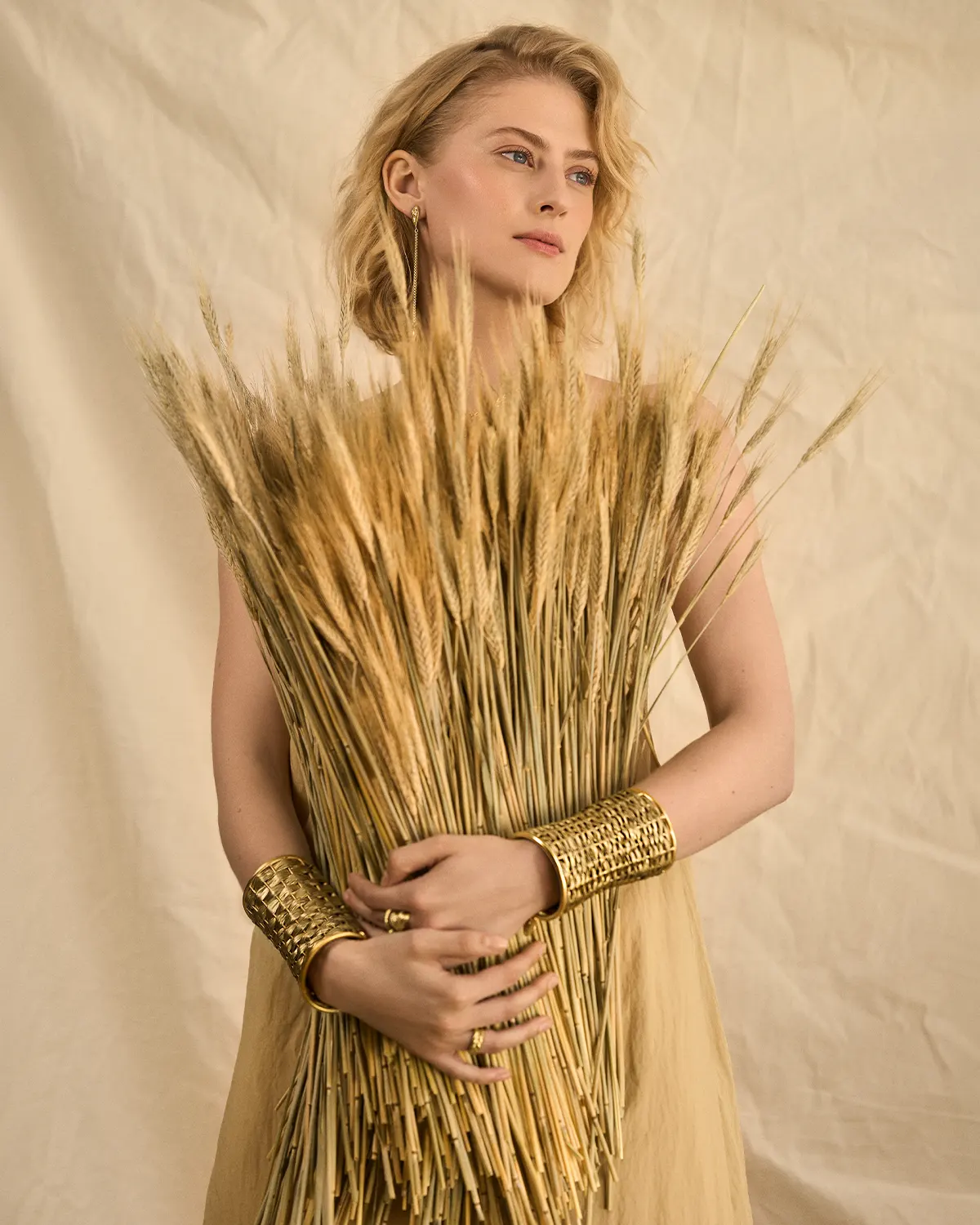
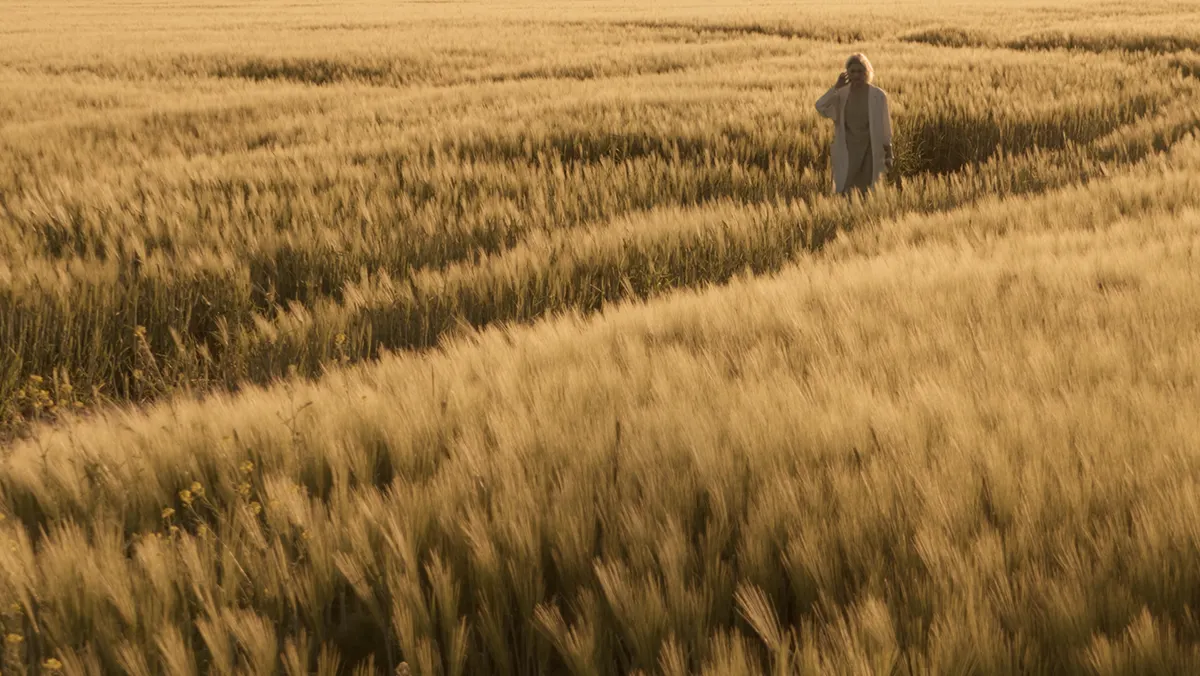
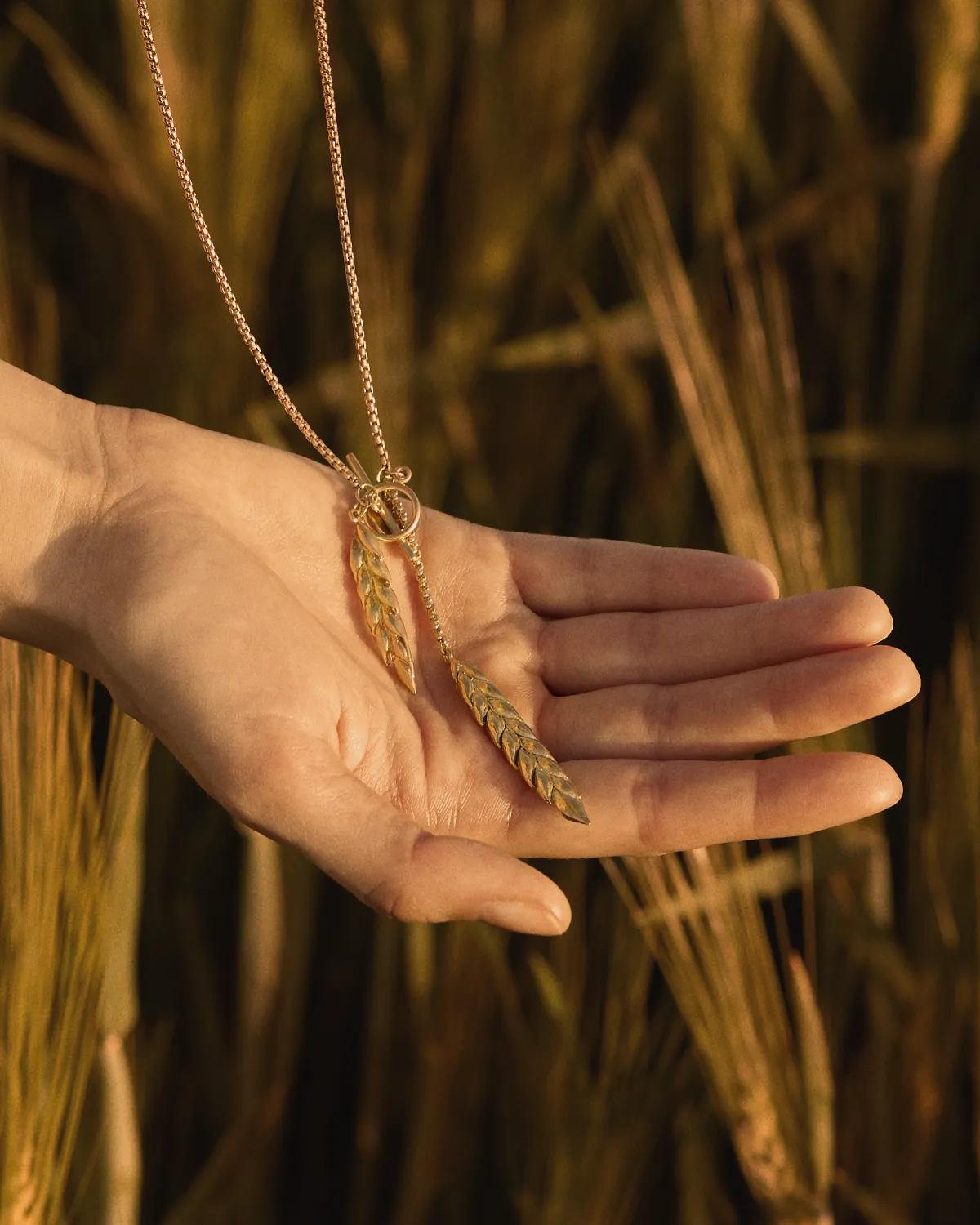
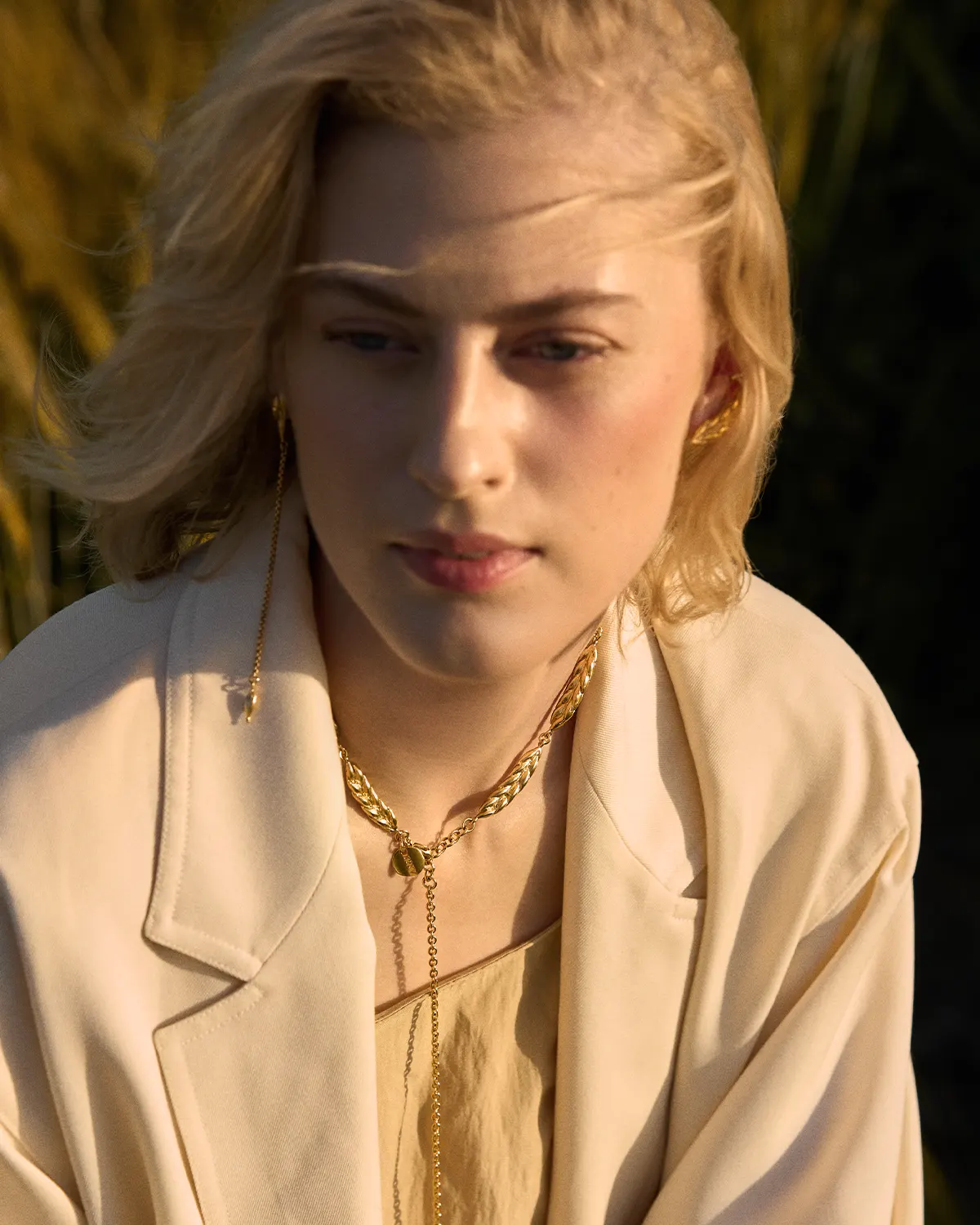
In Polish tradition, the ear of grain holds a special place. It is a symbol of abundance, prosperity, and gratitude for the gifts of the earth. Woven into the harvest wreath, it expresses respect for the work and the passing of time that made the harvest possible. The newest chapter of the Bery collection draws on this rich symbolism. Each handmade piece echoes the structure of a real ear of grain: the precisely arranged awns, the gentle curve created by the weight of the kernels, and the subtle way light plays across its golden surface. In the past, ears of grain were tucked behind holy images, woven into wreaths hung above the doorway, or kept in the corner of a barn as a charm for good fortune until the next sowing. Today, you can wear one with you as a quiet reminder that everything truly important arrives in its own time.