

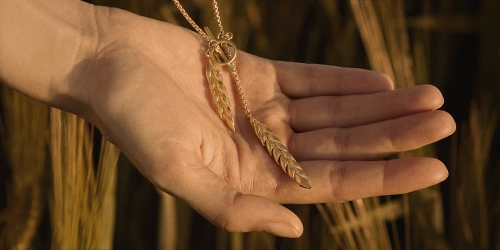
JEWELER'S HERBARIUM
Bery is a jeweler's herbarium gathered from the edge of the forest and the meadow behind the barn. Between its pages, just as our grandmothers once did, we have tucked away a four-leaf clover for good luck, mistletoe for prosperity, and ears of grain as a symbol of abundance. This is jewelry inspired by nature: familiar, local, and deeply rooted in our heritage. Every piece faithfully captures the intricate structure of a plant, with the same attention to detail found in traditional folk botanical knowledge. The result is jewelry that looks as though someone held a magnifying glass to the forest floor and transformed what they discovered directly into precious material.
Bery
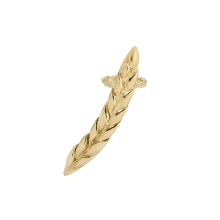
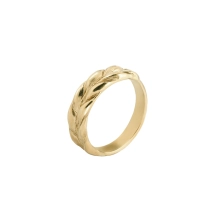
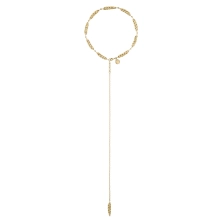
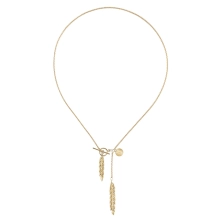
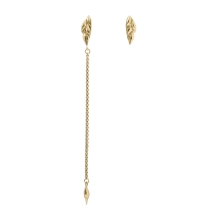


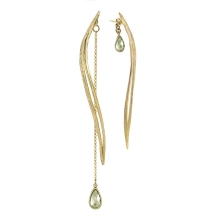


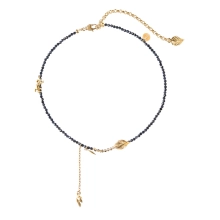



BERY. HERBARIUM VIVUM
Bery is a contemporary jewellery herbarium inspired by traditional folk herbals—repositories of knowledge about plants, their symbolism, and their role in everyday life. Just as herbs, flowers, and fruits were once gathered, carefully documented, and preserved as testimonies to nature and local traditions, in the ORSKA atelier they have been transformed into jewellery, becoming enduring keepsakes of their beauty.
Each piece in the collection is like a page from a herbarium, telling the story of a particular plant, a season, and a place. Delicate forms inspired by leaves, cones, twigs, and berries evoke the close relationship between people and nature that shaped folk culture for centuries. From this tradition comes an attentiveness to detail, a respect for the rhythms of nature, and the belief that every plant carries its own meaning.
Bery reinterprets this heritage through the language of contemporary jewellery. Instead of pressed botanical specimens, finely crafted metal forms preserve their character and intricate details. The collection becomes a wearable archive of botanical memories, a personal herbarium to accompany everyday life.
Clover Jewellery: Pin, Necklace, Bracelet, Earrings
The four-leaf clover is a rare find, yet the one most eagerly sought. According to tradition, each of its leaves represents what people desire most: faith, hope, love, and luck. In Polish folklore it was woven into Midsummer wreaths, hung above doorways and in barns to protect people, animals, and property from illness, storms, and evil spirits. Young women placed a four-leaf clover beneath their pillows, believing they would dream of their future husband. Herbalists valued red clover in particular, preparing cleansing infusions and remedies to support healing - it was one of those herbs always worth keeping close at hand.
Whether worn as a pin, necklace, bracelet, or earrings, the four-leaf clover serves as a reminder that good fortune rarely arrives uninvited. Sometimes it must be patiently searched for, sometimes gathered with intention, and sometimes simply recognised. The greatest treasures often look remarkably ordinary.
Poppy Pod Jewellery: Necklace and Bracelet
The poppy pod has long symbolised fertility and abundance. Its countless seeds promised prosperity, which is why newlyweds were showered with poppy seeds as a wish for happiness and a large family. On the Christmas Eve table, poppy seeds were believed to ensure plenty throughout the coming year - wealth "as plentiful as poppy seeds."
In folk belief, poppy also possessed protective powers. Seeds were scattered before homes and barns, for it was said that a witch, before crossing the threshold, would have to count every single one. By the time she finished, dawn would have arrived.
The fragile shell of the poppy pod protects dozens of seeds. A necklace or bracelet featuring this form can therefore become a symbol of resilience and hidden potential. Poppy has also long been associated with calm, sleep, and restoration. In folk medicine, infusions made from its petals were used to soothe coughs and encourage restful sleep. Today it may serve as a reminder of the importance of slowing down and finding balance.
Acorn Jewellery: Necklace and Earrings
In folk culture, the acorn symbolised strength, health, longevity, and vitality. It was believed to hold the power of the mighty oak itself and was carried as a talisman protecting against illness and the loss of strength. Acorns were also placed on windowsills or hung by windows to safeguard homes from lightning and fire.
They also had practical value. During times of scarcity, acorns were ground into flour or carefully prepared and roasted into a drink resembling coffee. They reminded people that nature could remain generous even in the harshest circumstances.
Whether as a long necklace adorned with acorns, a pearl necklace with a single acorn, or a pair of earrings, this motif reminds us that nothing truly enduring appears overnight. Great things require time, patience, and the courage to take root. Everything that one day becomes mighty once began as something small.
Mistletoe Jewellery: Necklace and Earrings
Mistletoe has long been regarded as an extraordinary plant. Druids harvested it with golden sickles, believing it to be a gift from the gods and a symbol of life itself. In Polish tradition it was hung in homes during the winter solstice and Christmas season to protect the household, encourage harmony, fertility, and abundance. A kiss beneath the mistletoe promised happiness in love, while unmarried women believed it foretold a forthcoming marriage.
Mistletoe also held a place in folk medicine. Used sparingly, it was prepared as tinctures and extracts believed to support circulation and lower blood pressure. Yet it was always approached with respect, for its power demanded wisdom.
For us, mistletoe symbolises independence - not as solitude, but as the ability to live according to one's own principles. It flourishes where other plants cannot take root. It requires neither fertile soil nor a predetermined place, finding its own space and adapting to it with remarkable resilience.
As a necklace or pair of earrings, mistletoe becomes a reminder of the courage to follow one's own path, the strength found in being different, and the freedom that comes from remaining true to one's own nature.
Maple Samara Jewellery: Necklaces, Earrings, Ring and Bracelet
In Slavic tradition, the maple tree was believed to connect different realms. Its winged seeds, known as samaras, were a familiar part of childhood play. Children would attach them to their noses (hence their Polish nickname, noski, "little noses") or toss them into the air to watch them spin like tiny helicopters. Maple samaras are free travellers that never ask for directions. They surrender to the wind, spinning, dancing, disappearing from sight, ignoring familiar paths, and always finding a place of their own. In our necklaces, earrings, rings, and bracelets, they become a metaphor for courage, freedom, and trusting one's intuition.