 add to wish list
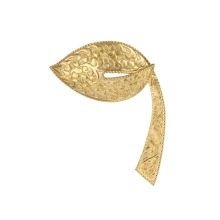
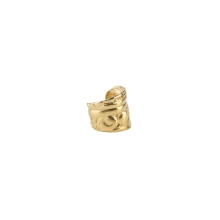
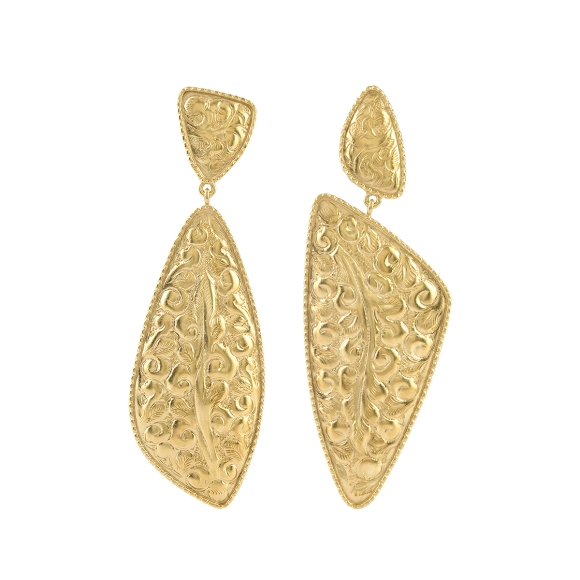
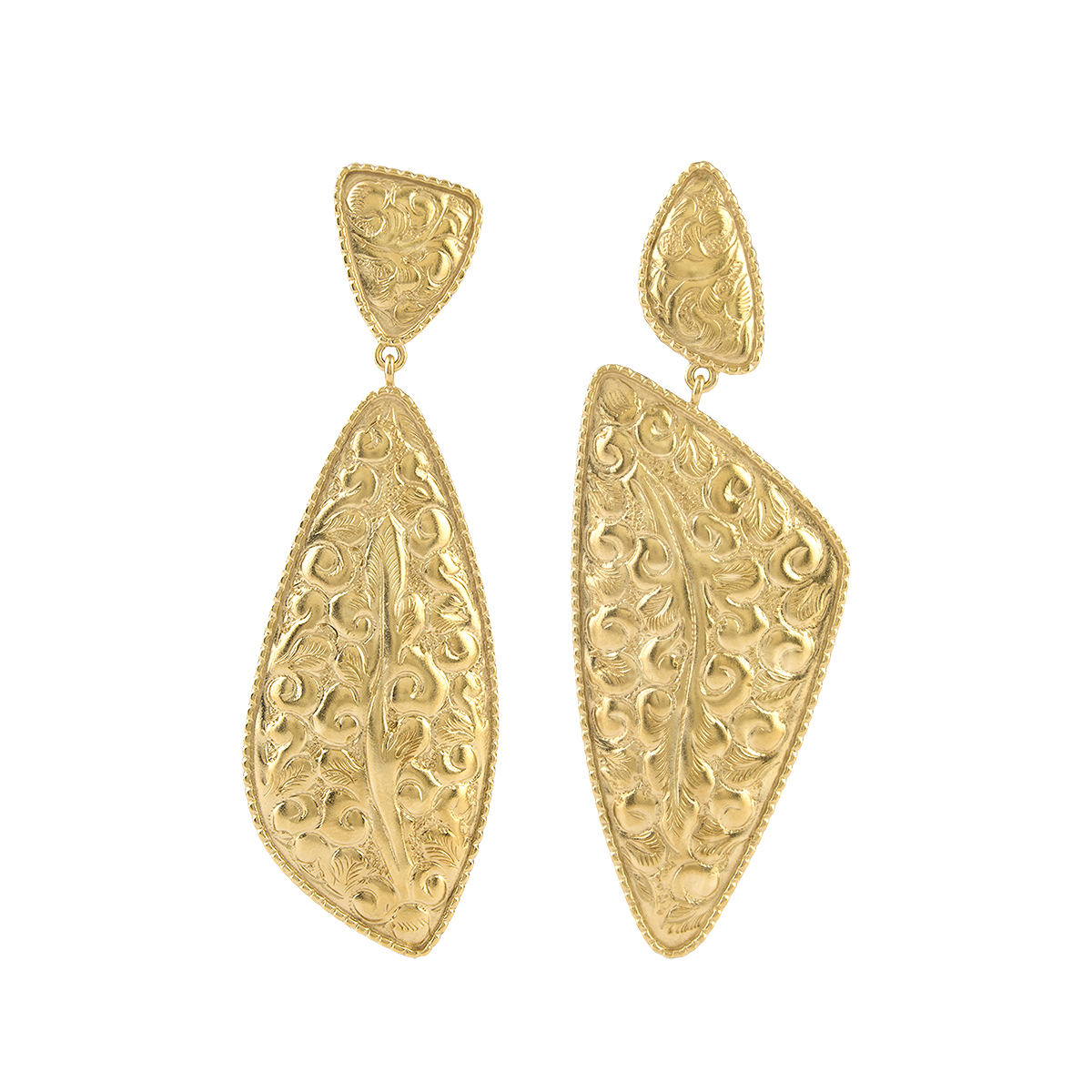
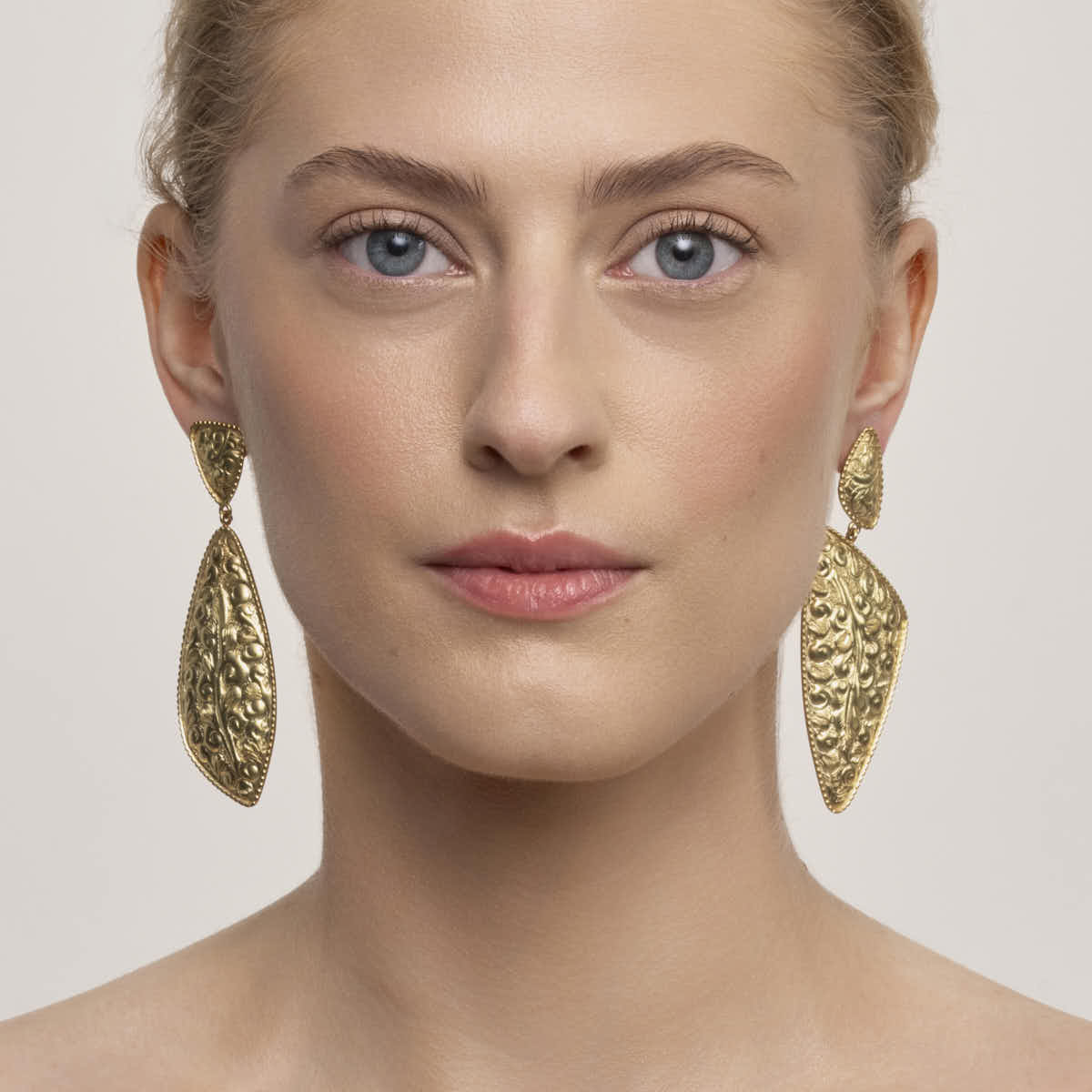
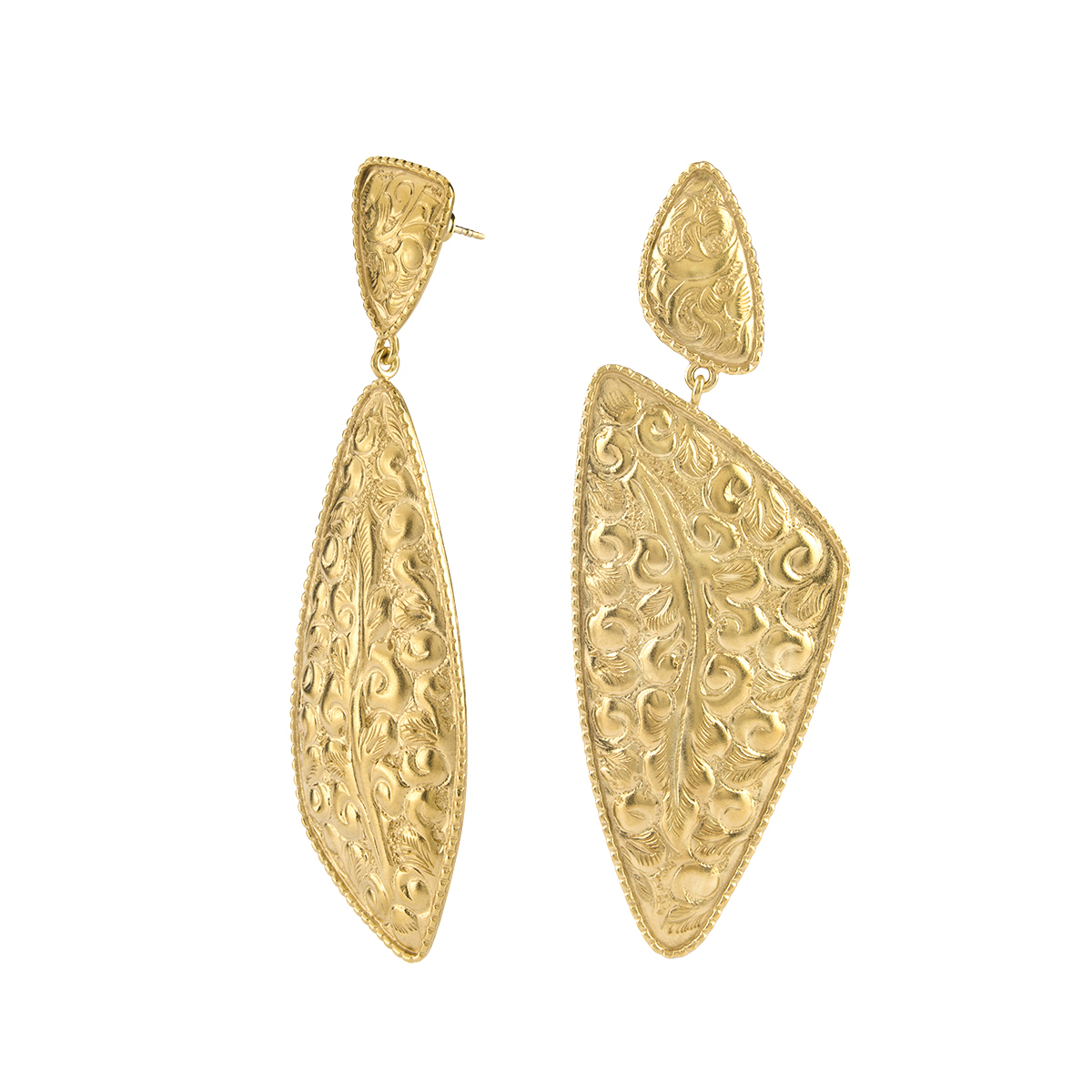
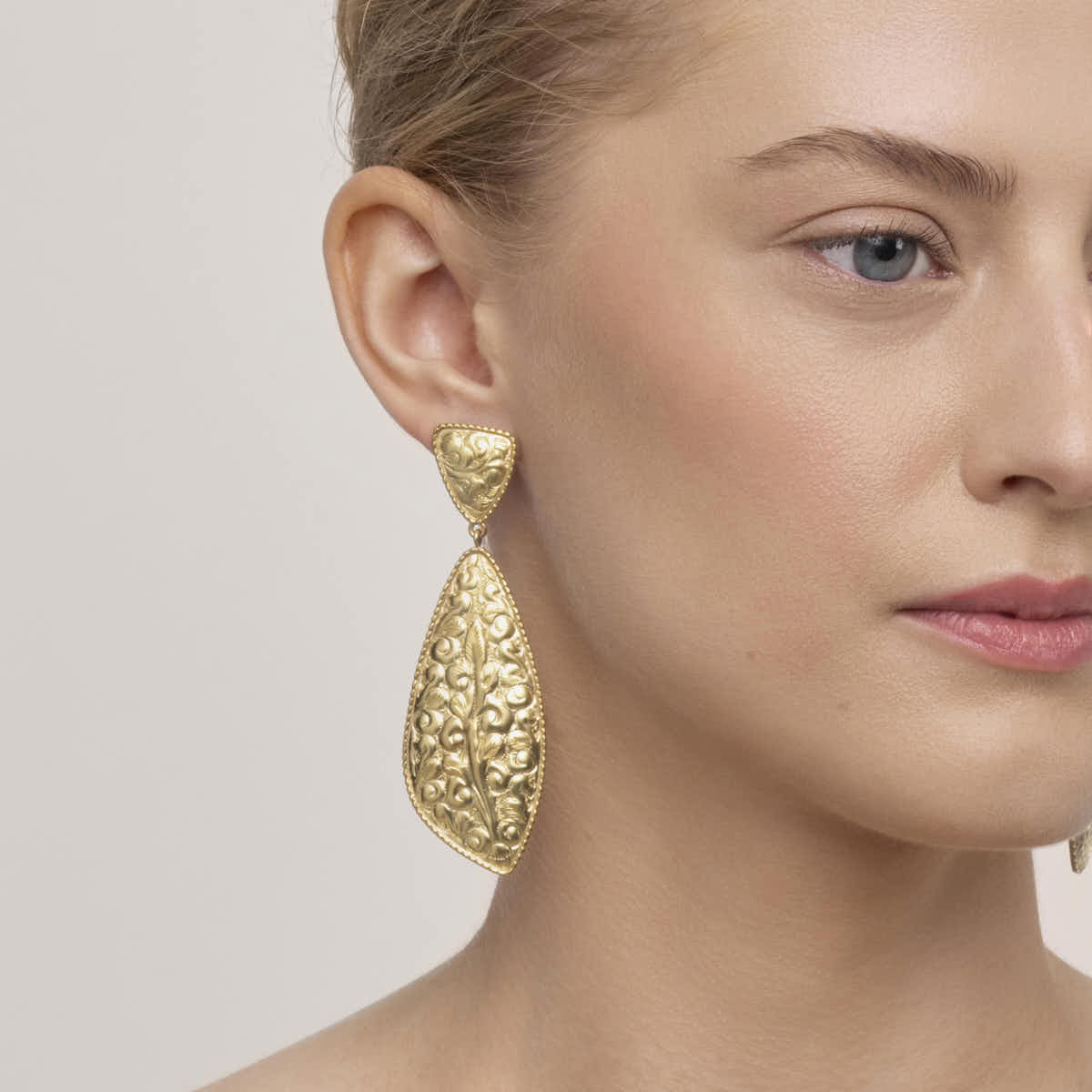
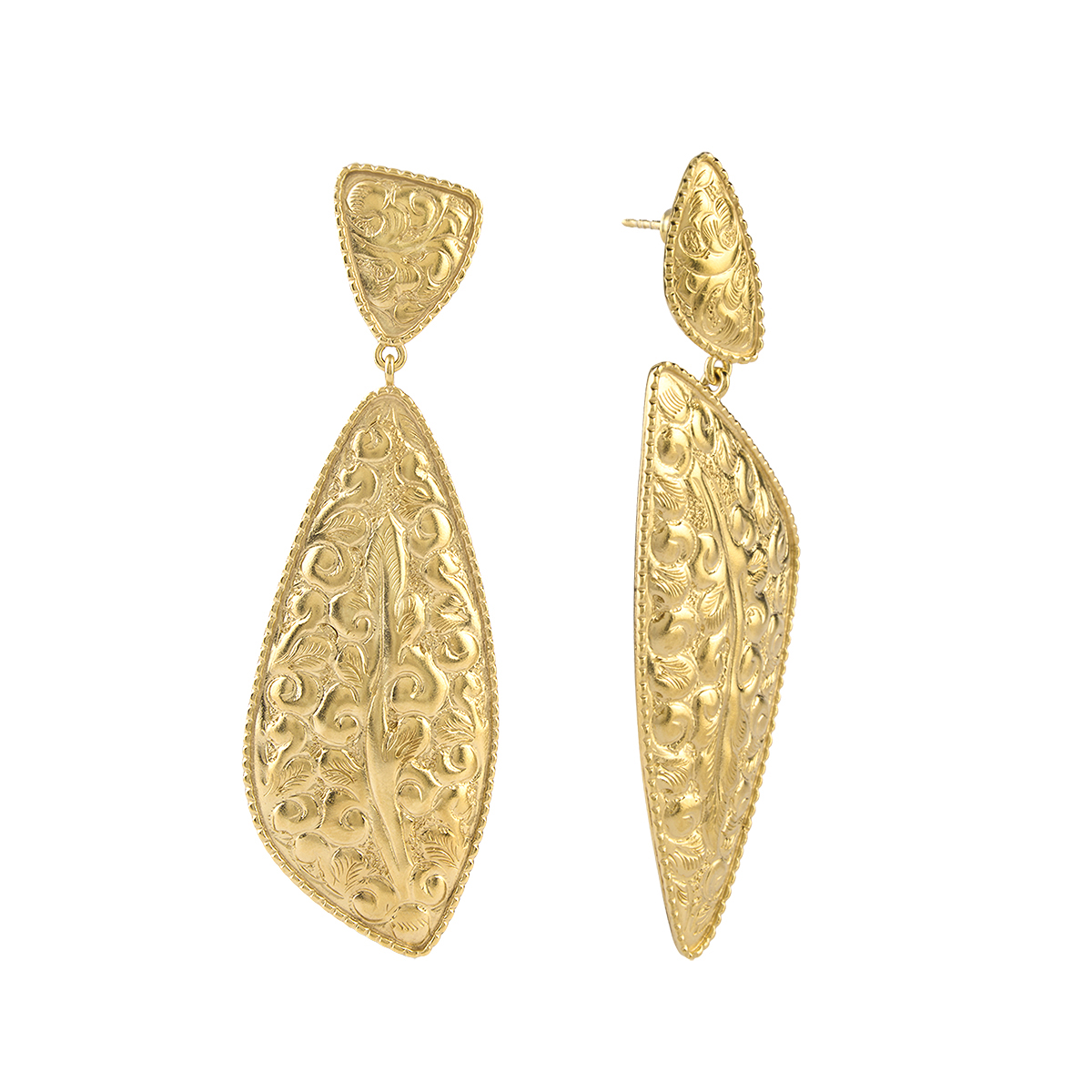
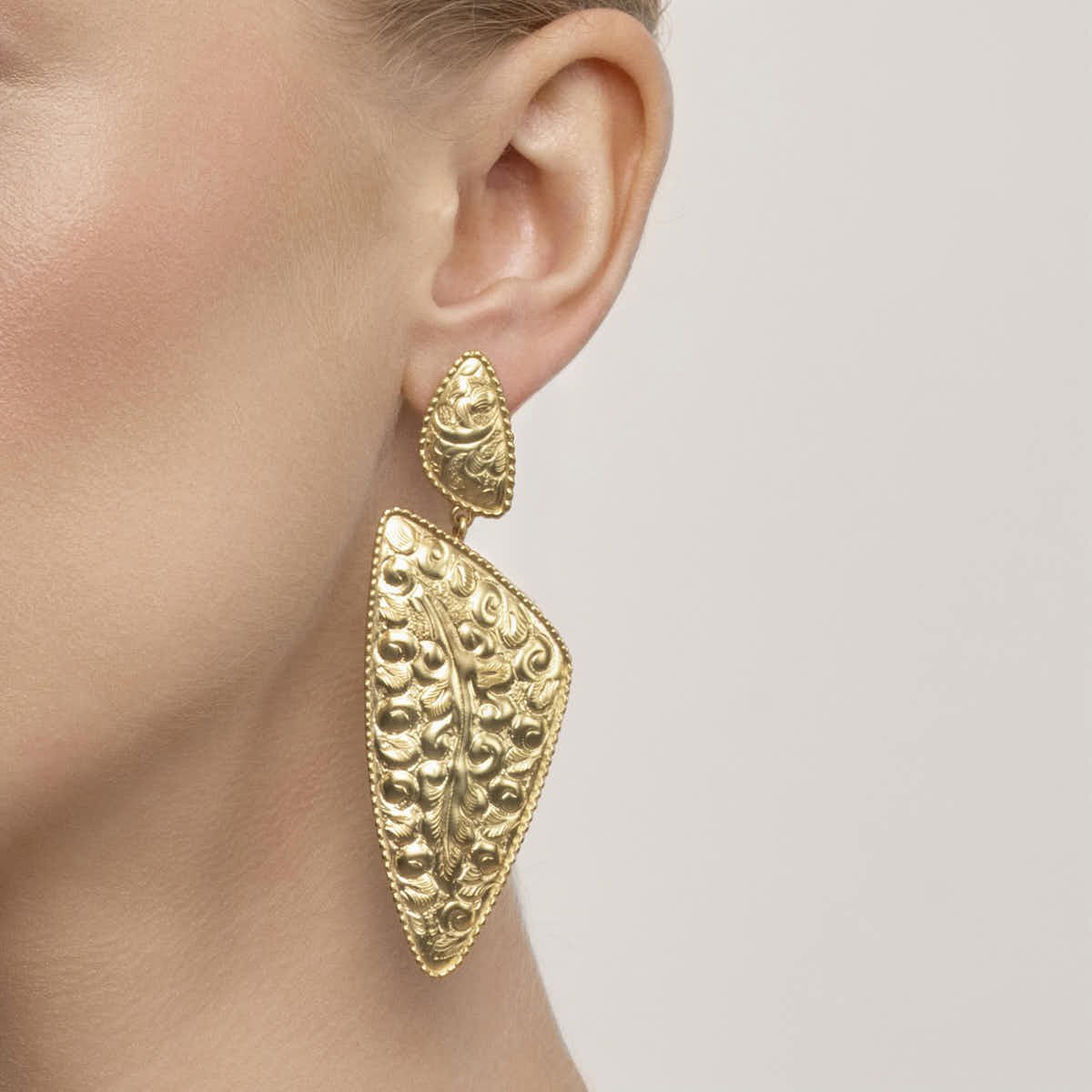
Long, asymmetrical earrings from the Nepal collection
product unavailable
Description
- 90% gold-plated brass, 10% silver
- Earring length approx. 8.5 cm
- Width up to approx. 3 cm
- Approximate weight approx. 15 g
The sky is not the limit
In Nepal, the blue sky, clouds, and wind become a symbol of crossing boundaries - geographical, creative, and interpersonal. They remind us that every new path begins where the familiar ends. Nepal was the first step: the first workshop outside of Poland and the first experience of creating together with artisans raised in a completely different tradition. It was there that the dream of creating across borders began to take shape. Returning to the same place after many years is a return to the source of this story and to the people who made that first step the beginning of something greater.
Asymmetrical, gold-plated earrings from the Nepal collection
These asymmetrical earrings are made of gold-plated brass and mounted on comfortable gold-plated silver studs. Each consists of two richly decorated parts: a smaller one at the ear and a larger one hanging freely below. The elements that make up the pair vary in size, shape, and arrangement of decorations. The entire surface of the earrings is filled with plant ornaments depicting winding vines. They symbolize the continuity of life, development, humanity's connection with nature, and the constant cycle of rebirth. Similar decorative tendrils appear in Nepalese art on altars, doors, and ritual vessels. The edges of the earrings are accentuated with subtle, repoussé lines that complement the richness of the decoration.
Repussé - what is this technique?
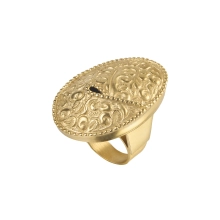
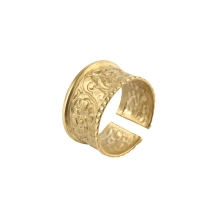
It is said that it takes a craftsman from the Kathmandu Valley about a decade to acquire basic repoussé skills. However, true mastery is honed throughout a lifetime. This technique involves shaping thin sheet metal from the underside using a hammer and chisels of various shapes. Strike after strike, a convex relief emerges on the other side of the metal, which is then chiseled from the front—the craftsman deepens the lines, brings out the details, and gives the ornament its final character. Creating floral ornaments requires time, concentration, and extraordinary precision. Before the repoussé element leaves the workshop in the Kathmandu Valley and goes to the ORSKA studio, where it will become part of earrings, necklace, bracelets, ring or brooches, are shaped by hundreds of hammer blows from a Newari master. Jewelry from the Nepal collection is a record of the knowledge and experience gained by local artisans over the years. Handcrafted work ensures that each ornament retains the individual trace of its creator.