


 add to wish list
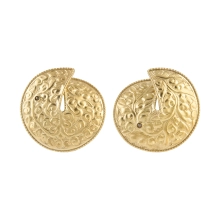
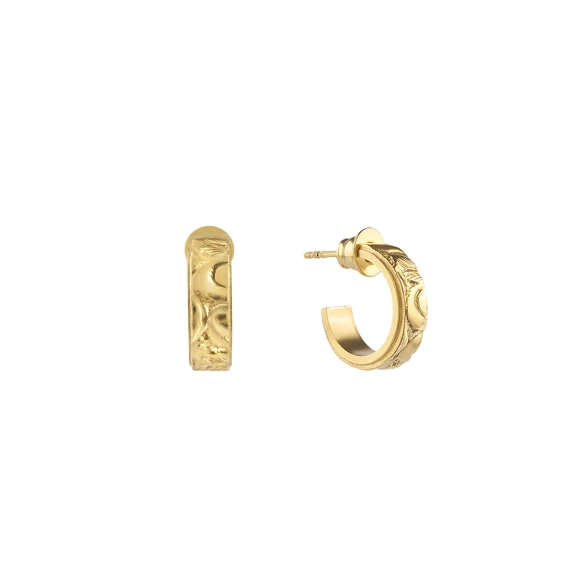
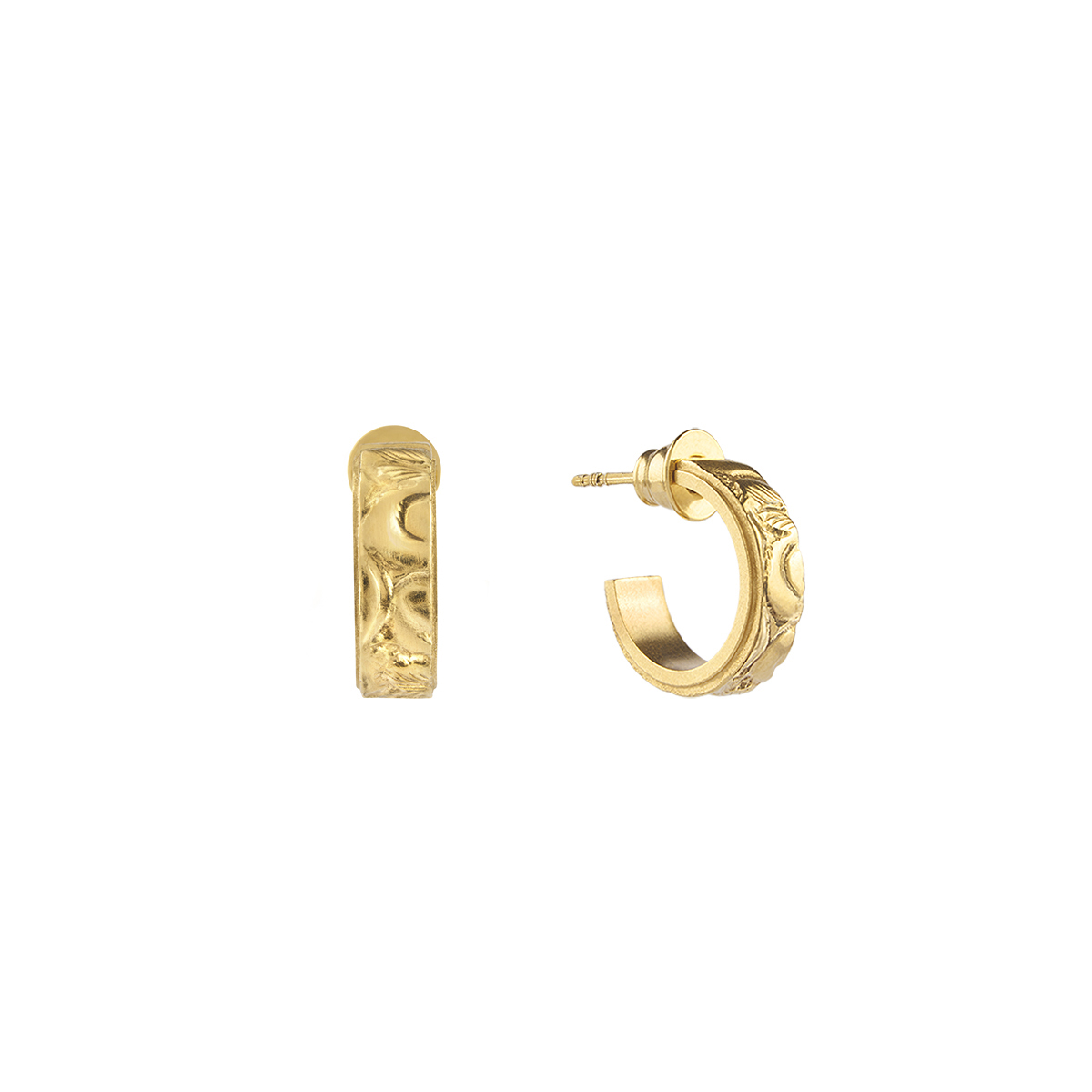
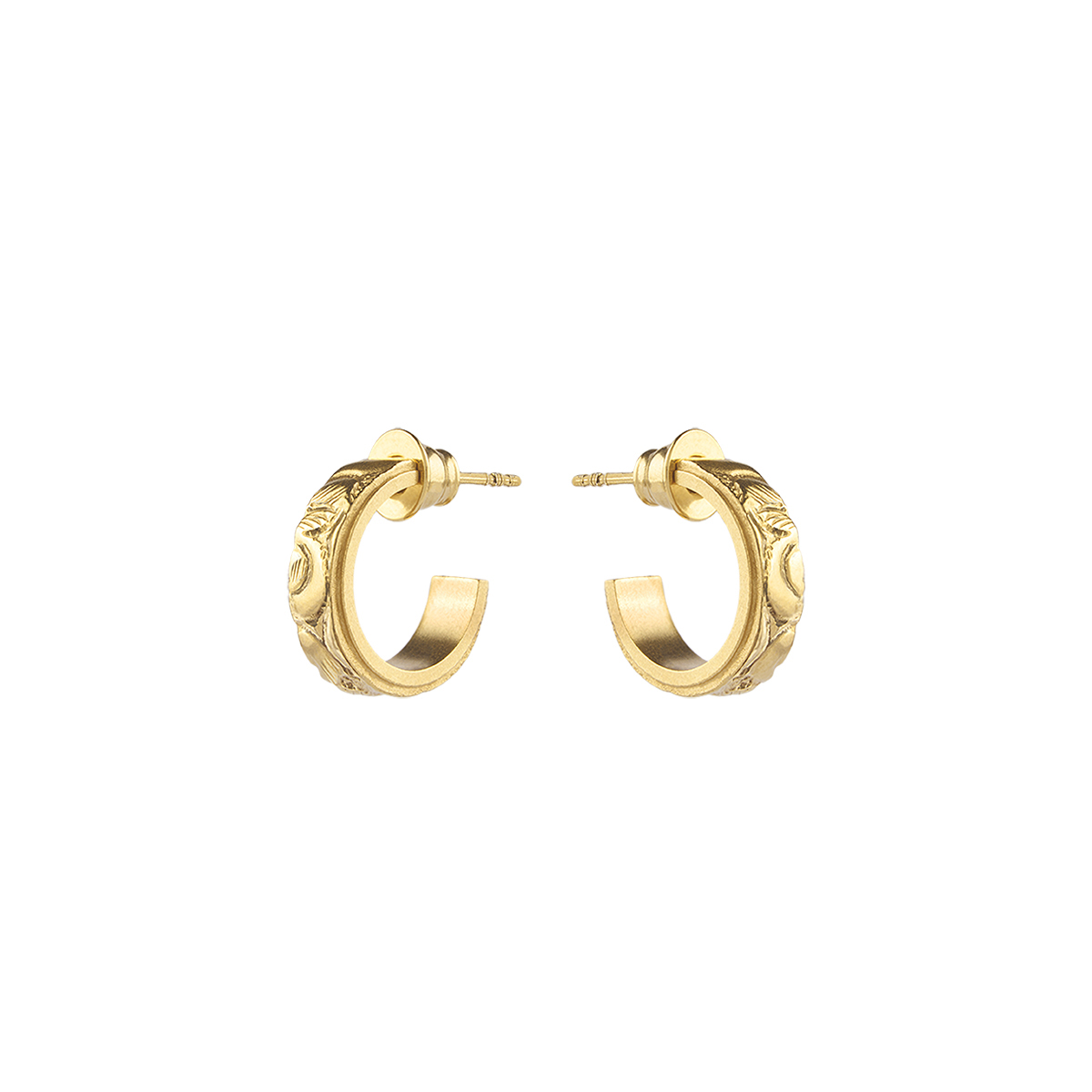
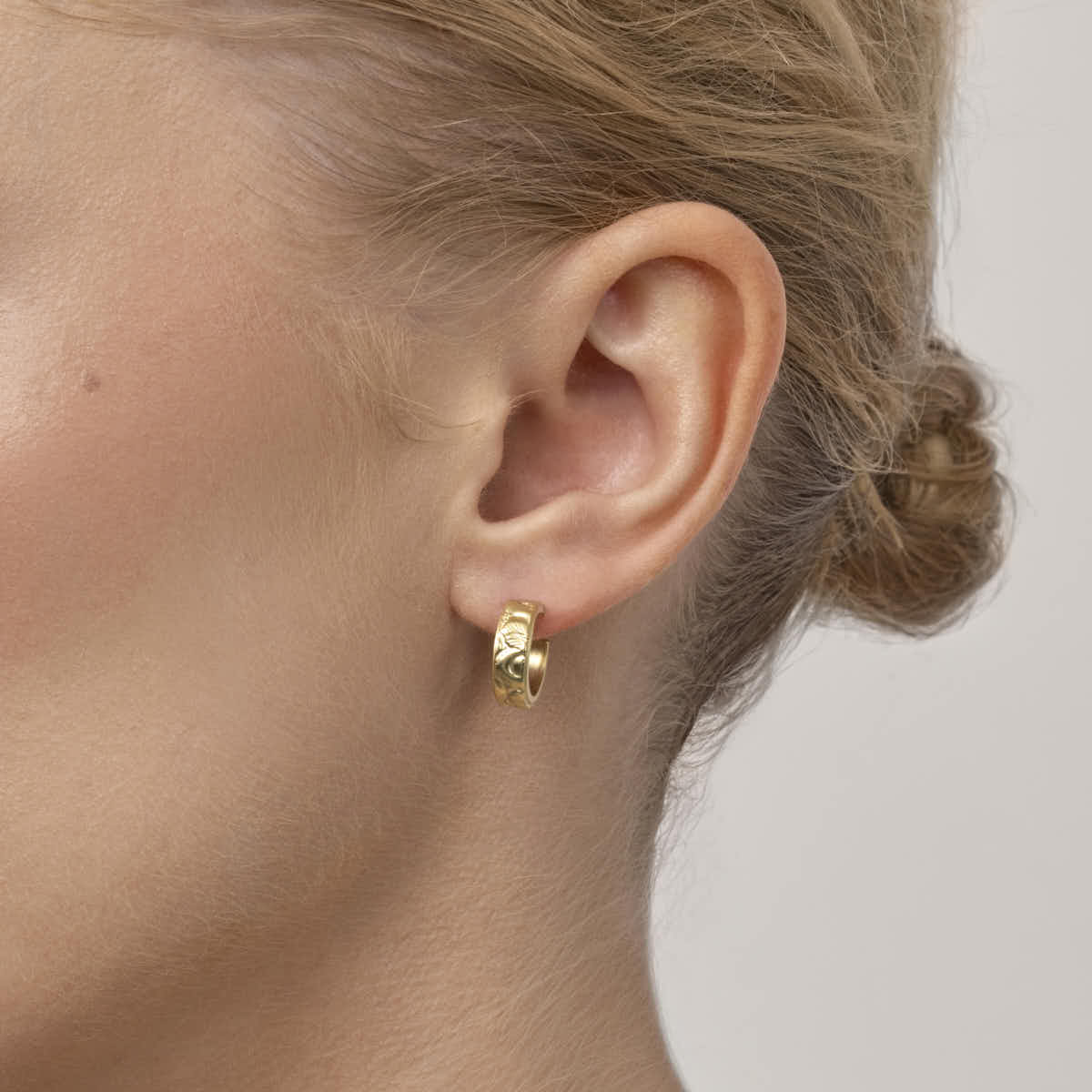
Round earrings from the Nepal collection
product unavailable
Description
- 90% gold-plated brass, 10% silver
- Diameter of earrings approx. 1.5 cm
- Width approx. 0.5 cm
- Approximate weight approx. 3 g
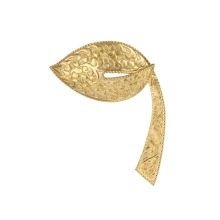
Crafts of the World: Nepal jewelry collection
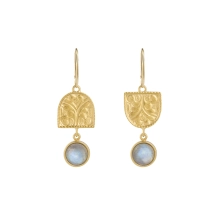
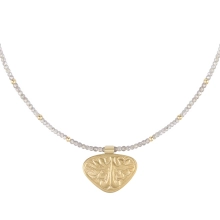
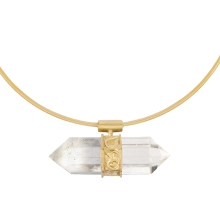
Between heaven and earth, in Kathmandu, Anna Orska found her own way of designing, based not on the search for inspiration, but on gaining knowledge, authentic encounters and cooperation with masters of traditional crafts. After ten years, the designer once again joined master Ramesh, who, along with other artisans, created components for the Nepal collection to the rhythm of thousands of hammer blows. We added natural labradorite, a perspective-altering stone that, when moved, sheds its dark colors and reveals green-gold reflections. The collection is complemented by unique necklaces with Himalayan crystal set in custom-made settings. Jewelry from the Nepal collection combines the designer's imagination with the craftsmen's expertise, tradition with modernity, and the monumentality of mountains with the precision of handcrafted detail.
Delicate hoop earrings from the Nepal collection
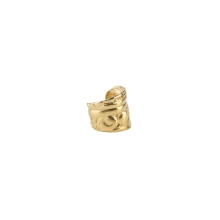
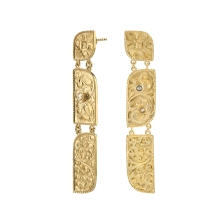
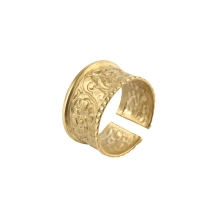
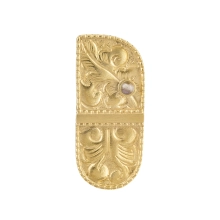
This gold-plated pair is an interesting alternative for lovers of classic jewelry designs. The timeless form of these small, round earrings is enriched with repoussé decorations. The winding vines and leaves symbolize the continuity of life, development and growth, the connection between humans and nature, and the endless cycle of rebirth. The most important symbol of Nepal and Himalayan Buddhism is the lotus. Its leaves – also present on the earcuff – symbolize a change of perspective, a new perspective, and an opening to new directions. The earrings feature convenient silver stud clasps, and the entire piece is plated with a layer of gold, giving this pair a timeless finish.
What is the repoussé technique?
Repusé is a traditional technique in which thin sheet metal is shaped from the bottom using hammers and punches, extracting a convex relief. The next step is chiseling, which involves deepening the lines, refining the details, and giving the ornament its final character. In the Kathmandu Valley, this art has been developed for centuries by the Newars, renowned for their masterful metalwork. Passed down from generation to generation, the patterns are not merely decorative, but a carrier of memory—each craftsman preserves the inherited language of ornament and leaves their own mark on it. Although the world around them has changed, in Nepalese workshops, work is still carried out almost exactly as it was centuries ago. The value of this work is determined by time, precision, and the unique gesture of the human hand.