


 add to wish list
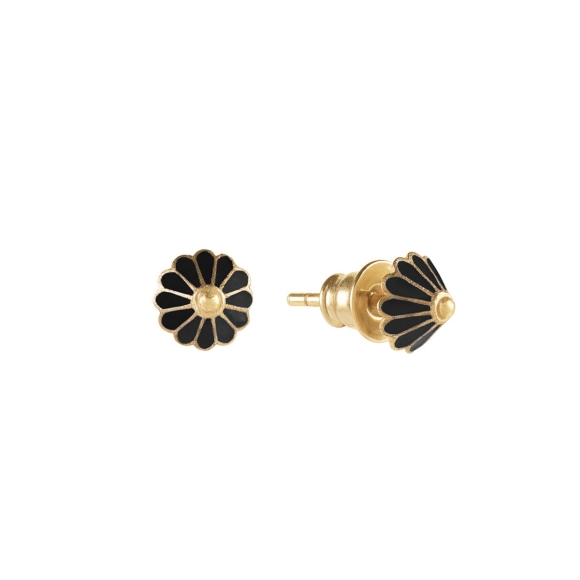
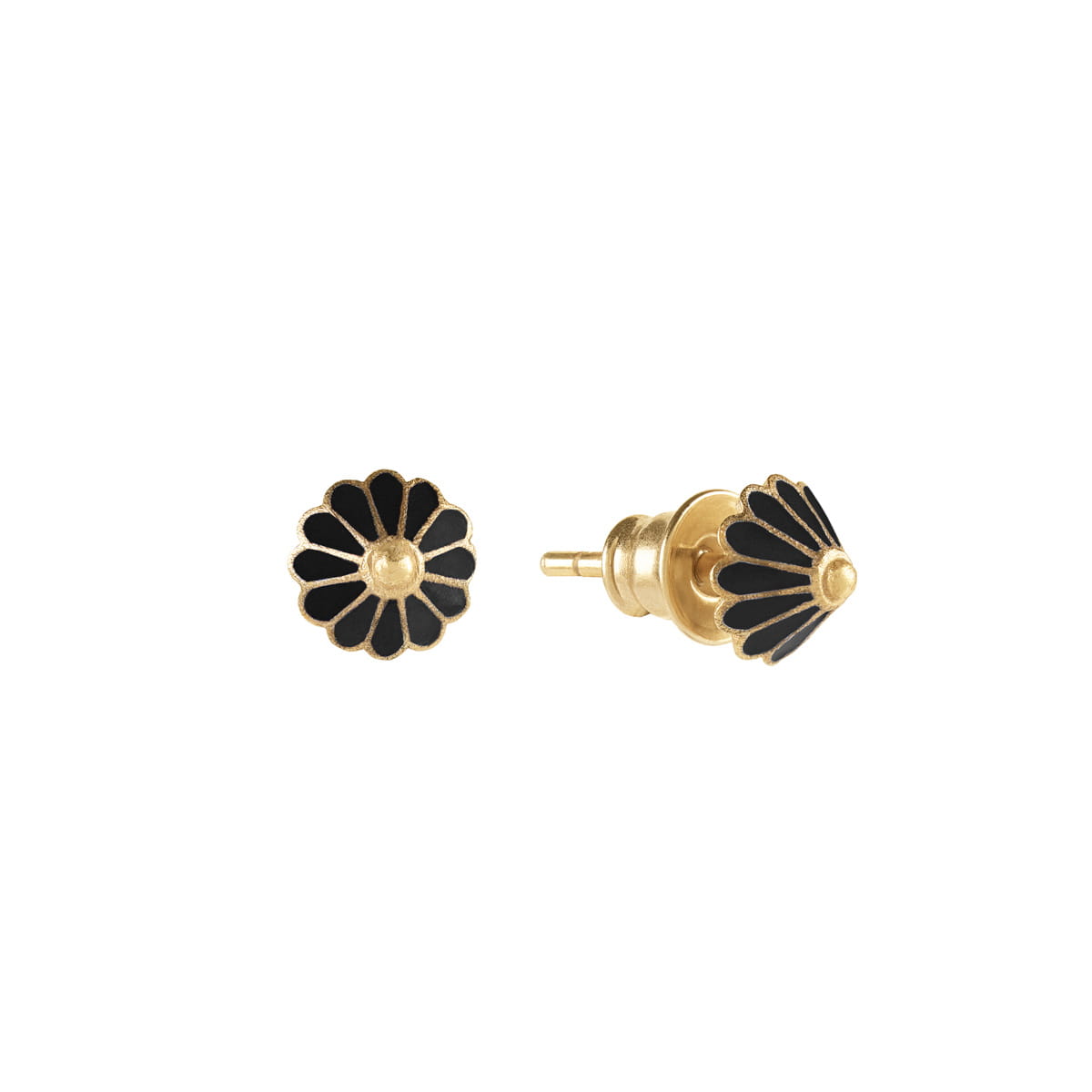
Delicate, black earrings from the Minakari collection
product unavailable
Description
- 90% gold-plated silver + 10% enamel
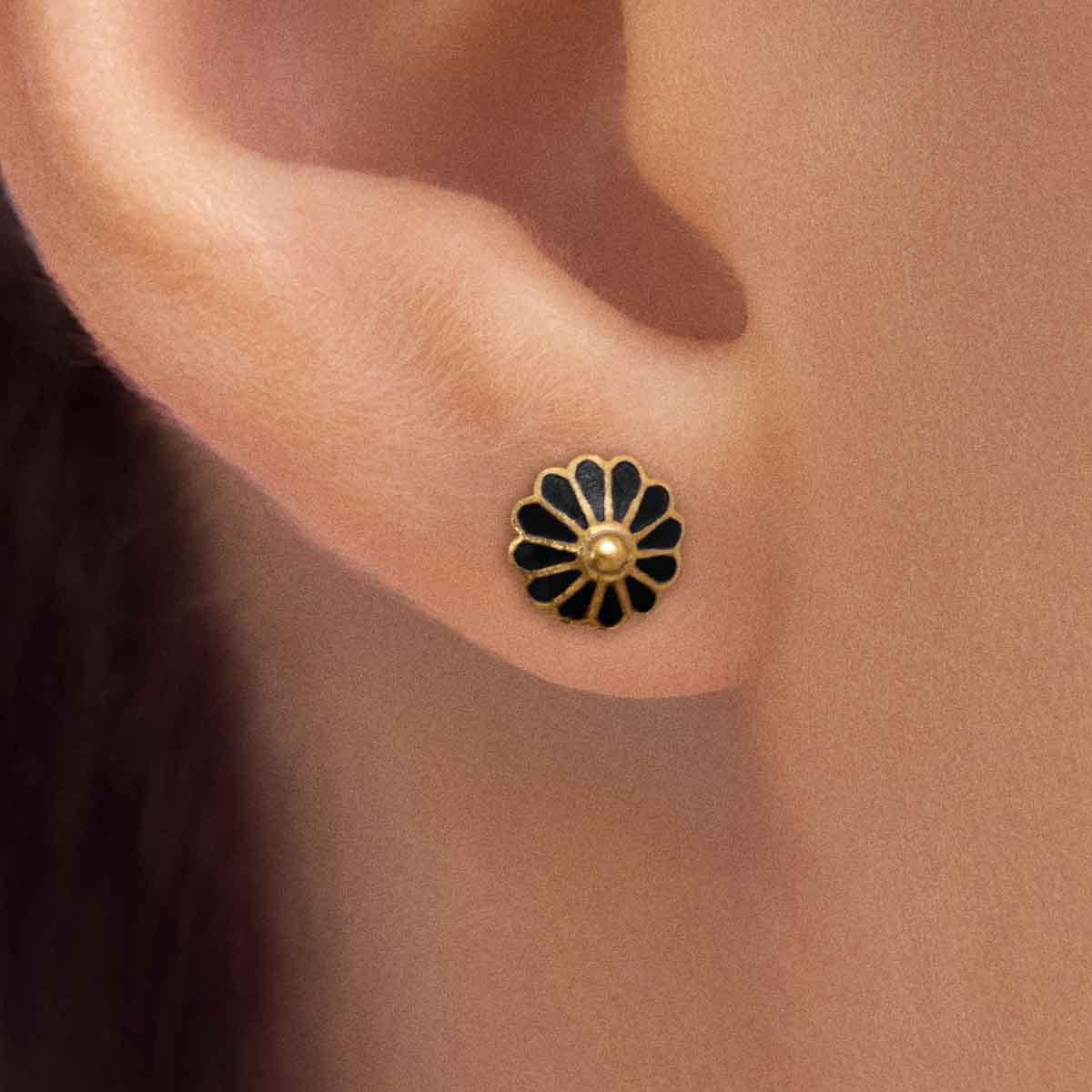
- Earring diameter approx. 0.5 cm
Minakari – the art of patience
Anna Orska has been traveling for years to various corners of the world in search of culturally rooted, authentic crafts passed down from generation to generation. This time she found herself in Rajasthan, where she was captivated by minakari – a 2,500-year-old technique of enameling engraved silver surfaces. It adorns not only jewelry but also architectural elements of Jaipur palaces, furniture, and tableware. Indian jewelry is traditionally double-sided – the outer side is most often decorated with stones, while the rich, enameled minakari decorations are hidden on the inner side. It's a detail only the owner can see. ORSKA jewelry continues this tradition, bringing it to you. Each piece in this collection is adorned 360 degrees and has two sides: one always remains visible, the other can be yours alone. If you wish, you can wear it like a talisman, with the side closest to your skin. You decide which side you want to reveal.
Stud Earrings with Hand-Painted Enamel
These delicate stud earrings are handmade in Rajasthan from gold-plated silver, shaped into decorative rosettes. From the golden center, black hand-painted patterns resembling flower petals, made of mineral glaze, spread out. In Persian and Indian cultures, the rosette symbolizes order in the universe – its geometric form reflects the harmony of the cosmos and the natural cycles of life. Black, on the other hand, symbolizes depth, elegance, and a strength that needs no publicity. It reminds us that what is most significant often remains in the shadows - accessible only to those who can look closely.
How is minakari made?
Minakari is an ancient Persian technique of decorating metal with colored enamel, the name of which comes from the words "mina" (sky) and "kari" (work), which literally means "working in the color of the sky." The creation process is multi-stage: the metal surface is first engraved, then mineral glazes are applied and fired in a kiln at a high temperature. Each layer of color requires a separate firing, which is why minakari is a layered art - beneath the surface, subtle color transitions are visible, giving the patterns depth and making the colors "live" in the light, changing depending on the viewing angle. You can read more about the designer's trip to India and the creation of minakari in the "Crafts of the World" tab.


